

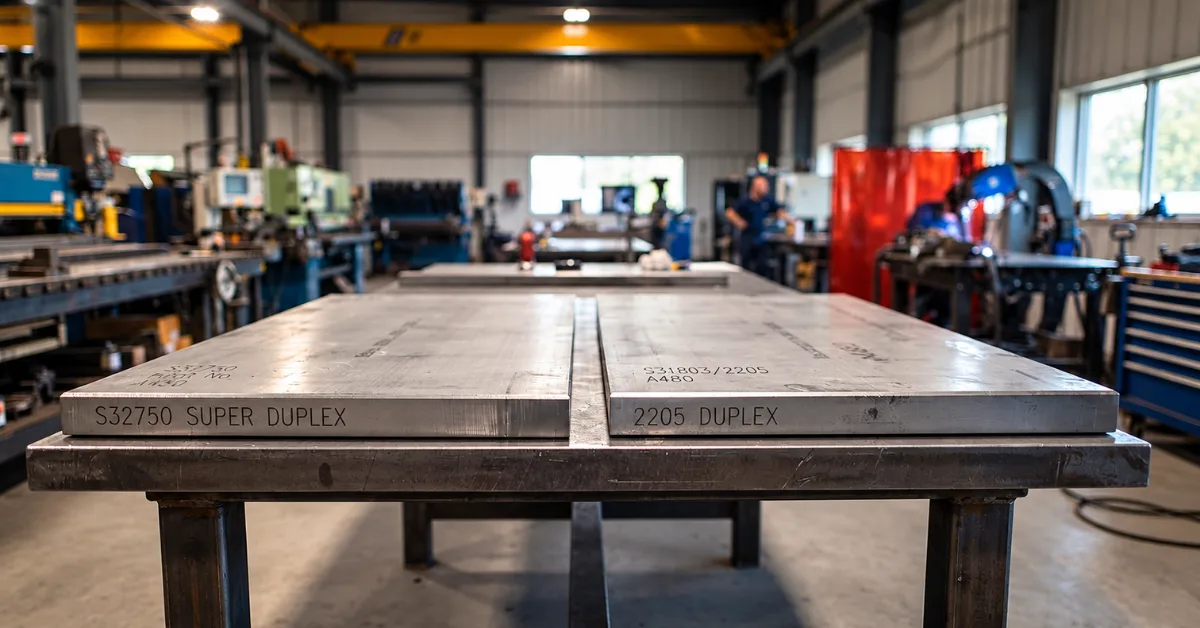
Choosing between S32750 plate vs 2205 plate comes down to mechanical yield limits, chloride levels, and budget constraints. Both metals combine ferritic and austenitic grains in roughly equal measure. This mix prevents stress corrosion cracking far better than standard 304 or 316 stainless steels. Picking the wrong alloy risks sudden pitting, cracked pressure boundaries, or thousands of dollars wasted on unnecessary nickel and molybdenum.
Procuring duplex 2205 plate works well for baseline chemical tanks and moderate marine framing. Once operating temperatures rise and chloride concentrations spike, switching to super duplex 2507 plate becomes mandatory to stop crevice corrosion. Reviewing exact mechanical thresholds helps engineering teams trim wall thickness while keeping industrial equipment running safely.
What Separates Duplex 2205 From Super Duplex 2507 Chemistry
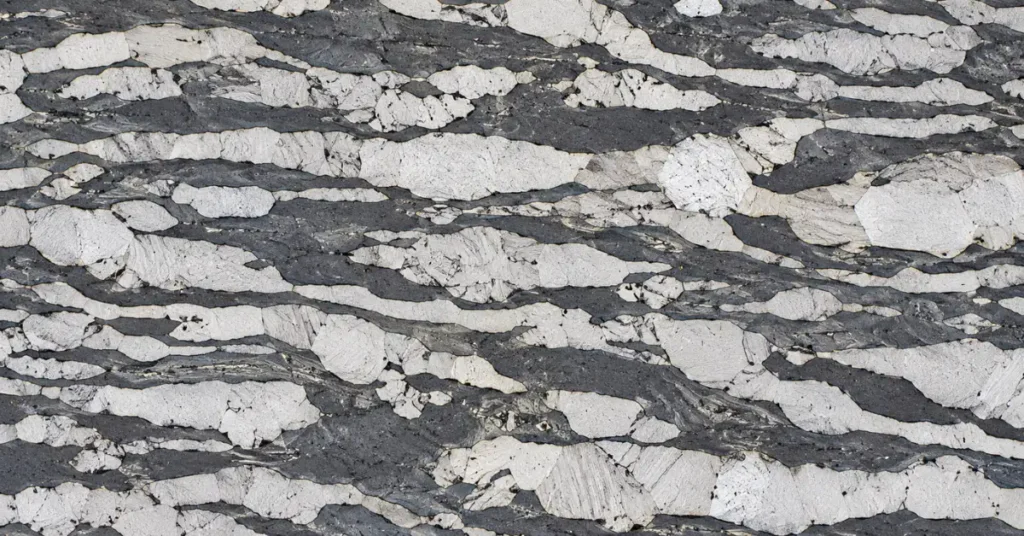
The core difference comes down to chromium, molybdenum, and nitrogen ratios that govern metal strength and surface protection. Standard UNS S32205 holds 22 percent chromium, 3 percent molybdenum, and 0.17 percent nitrogen. In comparison, alloy 2507 duplex stainless steel plate packs 25 percent chromium, 4 percent molybdenum, and 0.28 percent nitrogen into its matrix.
These elemental shifts create major differences in Pitting Resistance Equivalent Numbers across both metals. The formula calculates localized corrosion resistance through chemical percentages:
$$\text{PREN} = \%\text{Cr} + 3.3(\%\text{Mo}) + 16(\%\text{N})$$
Standard duplex 2205 plate scores an average PREN of 35. This score protects against basic industrial brines and ambient coastal wash. Upgrading to super duplex 2507 plate pushes the PREN beyond 42, meeting strict offshore specifications like NORSOK M-630 MDS S01.
Higher nitrogen content in UNS S32750 also hardens the austenitic phase through solid-solution mechanisms. This chemical boost delivers roughly 20 percent higher room-temperature tensile numbers than standard duplex stock. That extra alloying narrows the safe thermal processing window during hot forming and welding.
Understanding 2205 stainless steel properties requires looking at standard supply specifications. Procurement teams buying ASTM A240 type 2205 sheet or plate balance corrosion thresholds against basic mechanical fabricability. The 2205 material provides dependable baseline yield performance without the strict intermetallic formation risks present in higher-alloyed alternatives.
Yield Strength and Allowable Stress Differences in Pressure Vessel Design
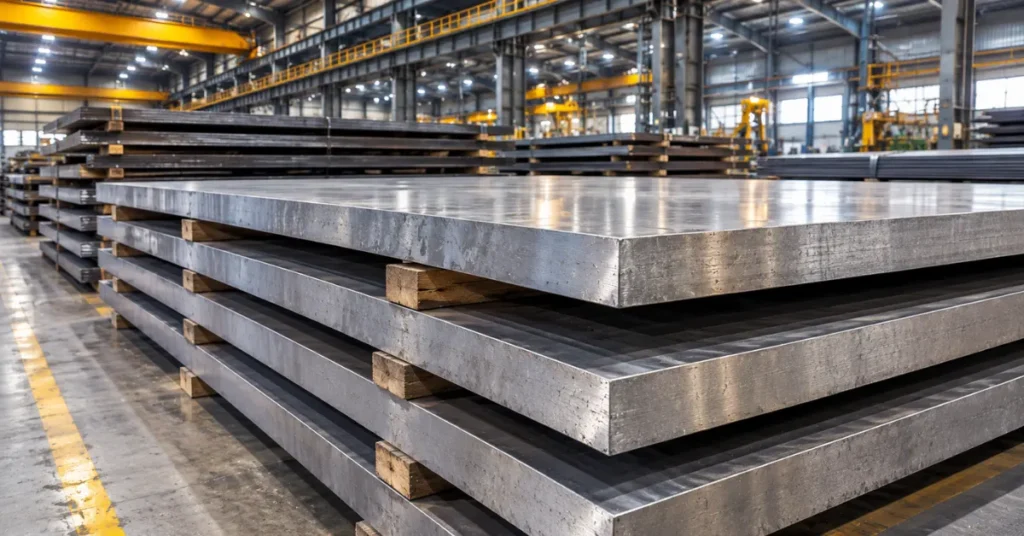
Pressure vessel engineers rely on the high mechanical strength of duplex stock to drop plate thickness and reduce vessel tare weight. Under ASTM A240 standards, UNS S32205 demands a minimum yield strength of 450 MPa alongside a minimum tensile strength of 655 MPa. Switching to alloy 2507 duplex stainless steel plate increases those base thresholds to 550 MPa minimum yield and 795 MPa minimum tensile strength.
For vessels built under ASME Section VIII Division 1 rules, allowable stress tables determine minimum shell thickness. Designers turn to ASME Section II Part D Table 1A to pull maximum stress allowances across operational temperature curves. At elevated temperatures, the engineering margins separate significantly:
- SA-240 S32750 delivers a maximum allowable design stress of 32.1 ksi at 250 degrees Fahrenheit, permitting thinner vessel walls than standard duplex plate under ASME II Part D SA-240 S32750 allowable stress 250 F guidelines.
- SA-240 S32205 under matching 250-degree operating limits provides an allowable stress of 25.7 ksi, requiring thicker shell plates to hold identical internal pressure.
- Installing UNS S32750 in high-pressure reverse osmosis vessels reduces total skid weight, lowering foundation footprints on offshore platforms.
- Both alloys undergo 475-degree embrittlement, keeping ASME code design limits capped at a maximum continuous working limit of 600 degrees Fahrenheit.
- Low-temperature operating envelopes require Charpy impact verification down to minus 60 degrees Fahrenheit to prevent sudden brittle fracturing.
Thinner walls reduce the overall volume of metal required for structural shells. This dimensional reduction directly cuts freight fees, handling logistics, and foundation requirements on offshore platforms. However, thinner plate sections increase elastic deflection risks, meaning vessel stiffness and structural support spacing must be rechecked during mechanical layout.
Pitting and Crevice Corrosion Limits in Seawater and Sour Gas
Hot chloride streams demand careful review of critical pitting temperatures and critical crevice temperatures under ASTM G48 Method A tests. Standard duplex 2205 plate functions reliably in cool seawater, yet its protective passive film breaks down when temperatures climb past 30 degrees Celsius. Hot process streams cause rapid pitting beneath flange gaskets and biological debris.
Specifying super duplex 2507 plate moves the critical pitting temperature past 50 degrees Celsius, stopping aggressive localized attack in hot sea brines. Higher molybdenum and nitrogen levels protect the passive chromium oxide film against chloride ion penetration. This resilience makes S32750 the primary specification for subsea manifolds and desalination flash chambers.
Under NACE MR0175 and ISO 15156 sour gas rules, both alloys stop sulfide stress corrosion cracking. However, super duplex handles significantly higher partial pressures of hydrogen sulfide in acidic environments. Choosing S32750 protects downhole completion tools where hydrogen embrittlement and crevice corrosion strike together.
Crevice corrosion represents a continuous threat in flange faces, threaded connections, and elastomeric seal housings. When seawater remains stagnant inside tight mechanical joints, oxygen depletion accelerates localized acidification. The elevated molybdenum content in alloy 2507 duplex stainless steel plate retards active pit propagation, maintaining joint integrity in stagnant marine settings.
Industrial Application Demands Across Marine and Process Sectors
Selecting the right plate grade depends directly on process chemistry, working pressures, and operating fluid temperatures. Mismatched alloy selections in severe service cause sudden shutdown events and plant downtime.
Subsea production systems and deepwater oil extraction manifolds require super duplex 2507 plate to handle high internal pressures and external hydrostatic seawater loads. In contrast, topside structural framing, deluge piping, and dry deck cable trays rely on duplex 2205 plate to resist marine air without inflating platform construction budgets.
Industrial seawater desalination plants place distinct demands on fluid handling systems. High-pressure reverse osmosis membrane housing tubes and concentrated brine discharge headers experience aggressive chloride attacks that overwhelm lower-grade steels. Facilities install super duplex 2507 plate in high-pressure brine zones, while utilizing standard duplex 2205 plate for intake raw water lines, sand filtration tanks, and low-pressure permeate distribution piping.
Petrochemical processing plants handling organic acids and sour crude rely on duplex metallurgy to replace fragile carbon steel liners. Downhole extraction tools, flowlines, and high-pressure gas scrubbers operate safely with super duplex 2507 plate under severe sour well service. Downstream storage tanks, oil-water separators, and low-temperature atmospheric reboilers function reliably with standard duplex 2205 plate, saving substantial capital during initial equipment fabrication.
Pulp and paper mills represent another demanding chemical processing environment. Bleach plant washing systems expose metal vessels to aggressive chlorine dioxide solutions and caustic extraction liquors. Mill engineers specify super duplex 2507 plate for bleach washer drums, press rolls, and chemical injection nozzles. Standard digester vessels, black liquor recovery tanks, and paper stock storage silos utilize duplex 2205 plate to deliver decades of trouble-free operation.
Machining and Welding Protocols for Heavy Gauge Plate
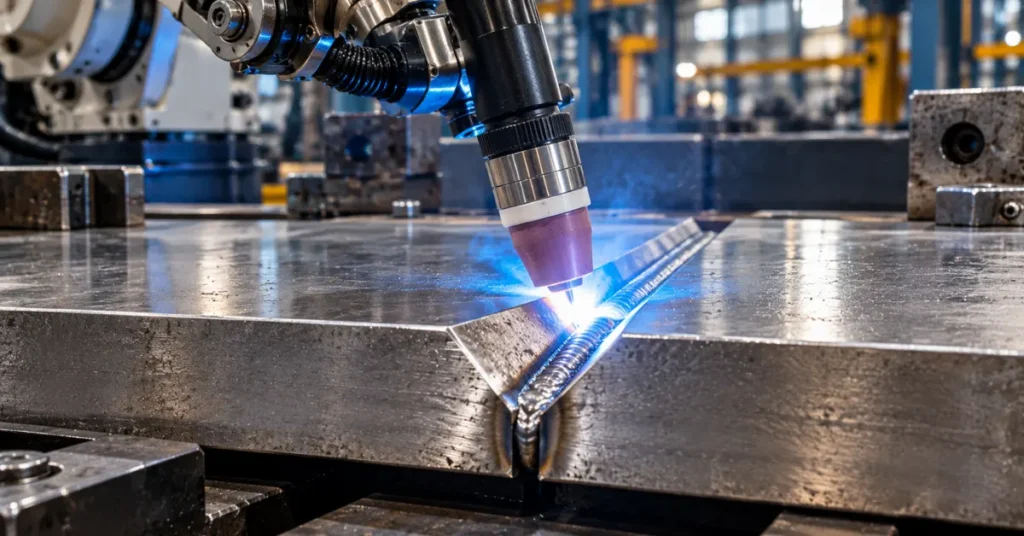
Working with duplex stainless steel requires tight heat control to keep an even fifty-fifty balance between austenite and ferrite grains. Standard duplex 2205 plate provides a forgiving welding window, making it less vulnerable to brittle intermetallic phases like sigma and chi during workshop fabrication.
Welding an alloy 2507 duplex stainless steel plate calls for strict heat limits, generally kept between 0.5 and 1.5 kilojoules per millimeter. High heat input slows joint cooling, creating dangerous sigma phase growth between 600 and 1000 degrees Celsius that ruins impact toughness and corrosion limits. Fast quench rates leave excessive ferrite inside the heat-affected zone, lowering joint ductility.
Machining super duplex steel drives up cutting costs because of heavy work hardening and elevated shear strength. Machine shops need rigid machine beds, reduced spindle speeds, and sharp positive rake tooling to prevent insert wear. Standard 2205 cuts faster and spares cutting inserts, keeping machining labor manageable on complex parts.
Post-weld inspection requires thorough non-destructive and destructive testing to ensure mechanical properties match mill base metal values. Fabricators qualify welding procedures using ASTM A923 testing methods to detect harmful intermetallic precipitates. Maintaining correct shielding gas mixtures, including argon with one to two percent nitrogen additions, preserves surface nitrogen content and prevents localized corrosion loss in the weld cap.
Cost Comparison and Raw Material Sourcing for Steel Fabricators
Choosing between S32750 plate vs 2205 plate involves balancing metal surcharges against long-term maintenance cycles. High global prices for nickel and molybdenum push super duplex plate 30 to 50 percent higher in raw cost compared to standard 2205.
If an engineering design takes full advantage of thinner walls, weight reductions with super duplex 2507 plate can balance out the higher cost per pound. Thinner plate requires less weld wire volume, reducing shop labor and non-destructive examination hours. For heavy pressure vessels, super duplex often matches the total finished cost of standard duplex while delivering superior corrosion resistance.
For atmospheric storage tanks, structural frames, and low-pressure ducting, high tensile strength cannot offset plate costs due to basic structural stiffness minimums. In those situations, buying S32750 wastes capital without structural gains. Standard duplex 2205 plate remains the smart, economical choice across regional steel distribution channels.
Stock availability plays a major role in project lead times and procurement scheduling. Standard 2205 plate is stocked across multiple thickness increments by metal service centers worldwide. Sourcing heavy thicknesses of S32750 often requires custom mill rolling runs, extending procurement timelines by several months for specialized pressure vessel projects.