

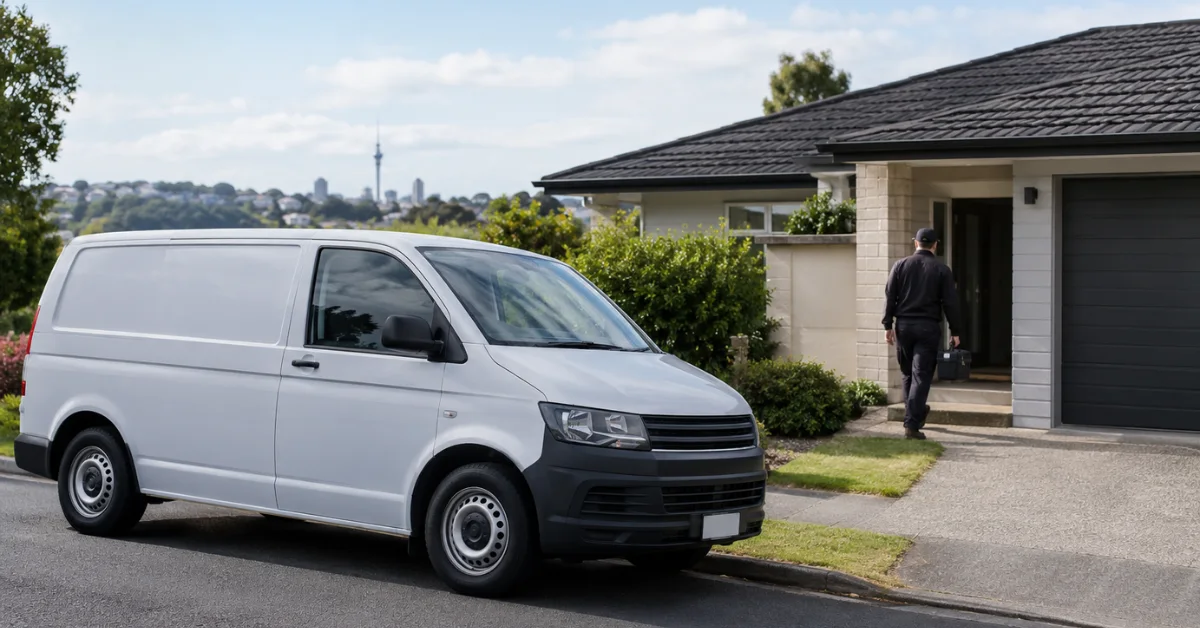
Choosing an honest locksmith in Auckland can feel daunting when you face an urgent lockout. Because locksmithing is not a legally protected title in New Zealand, anyone can purchase lock picks and tools online. Unqualified operators frequently set up emergency services across the region without completing formal training or industry apprenticeships.
Consequently, predatory tradespeople take advantage of stressed homeowners during late night lockouts. Understanding common warning signs protects your personal security, guards your home, and prevents inflated invoices. Taking time to verify credentials ensures you receive professional service from a legitimate local technician.
How Emergency Locksmith Scams Work in Auckland
Some locksmith scams use low advertised starting prices to attract bookings, followed by unexpected charges. Warning signs include refusing to identify the business, explain costs, or seek approval before additional work.
Uncertified operators frequently target distressed residents who search for help late at night. These operators rely on high search visibility to catch people when they feel most vulnerable. Once on site, the technician often claims that your door hardware is impossible to pick. They deliberately bypass simple bypass techniques and reach straight for heavy power tools.
Consequently, they destroy your lock cylinder by drilling through the mechanism. They then install a cheap replacement cylinder and demand hundreds or even thousands of dollars. Homeowners often feel intimidated into paying these massive invoices simply to resolve the situation and secure their front door.
How to Check a Locksmith’s Credentials in New Zealand.
New Zealand does not maintain a mandatory central government licensing system for general residential lock work. Because this regulatory vacuum exists, anyone can register a website and claim to operate an emergency locksmith business. Therefore, consumers must take responsibility for checking credentials independently before granting access to their property.
The MLAA Trust Badge
MLAA membership is one useful credential to check. Verify the business through the association directory rather than relying on a website badge alone. Membership requirements include qualified personnel, police checks, insurance, and a code of ethics.
The Master Locksmiths Association of Australasia serves as the primary independent professional body across New Zealand. Legitimate members undergo regular vetting and carry broad public liability coverage to protect client property against accidental damage.
NZ Certificate in Locksmithing
Competenz oversees the New Zealand Certificate in Locksmithing at Level 4. This formal trade qualification requires an intensive apprenticeship lasting three to four years.
Apprentices complete rigorous practical training alongside structured technical exams. A tradesperson holding this trade certificate possesses deep expertise in mechanical hardware, master key systems, and non-destructive opening methods. Asking whether a technician holds this certificate helps you separate genuine tradespeople from untrained opportunists.
Security Licences Through the PSPLA
Some security work requires a PSPLA licence or certificate of approval, subject to applicable exemptions. Check the Ministry of Justice guidance for the work being offered. Ask for the applicable credentials and verify them through the public register.
How to Spot a Misleading Locksmith Website
Rogue operators often rely on generic lead generation websites that disguise their actual identity. These platforms funnel customer calls to outsourced call centres, which then dispatch unqualified subcontractors across Auckland suburbs. Checking a few key website elements helps you spot untrustworthy listings quickly.
Unclear Business Identity
Check whether the website identifies the business and provides consistent contact details. Paid advertising and emergency-only services do not, by themselves, indicate a scam.
Ask for verifiable business details and relevant training or qualifications. Check claimed memberships independently. A mobile locksmith may not have a public workshop address.
Unclear Advertised Prices
Ask whether the starting price covers only attendance or includes labour. Confirm additional charges before booking. Extremely cheap call-out rates often lead to large final invoices once the technician finishes the job.
Misleading advertisements frequently promote low prices like $35 or $45 to catch your attention. However, this initial fee usually covers only vehicle travel to your driveway. Once the technician arrives, labour rates, hardware markups, and emergency fees quickly push the total invoice into exorbitant territory.
Always check the Companies Register and verify GST registration where applicable.
Six Questions to Ask Before Booking an Auckland Locksmith
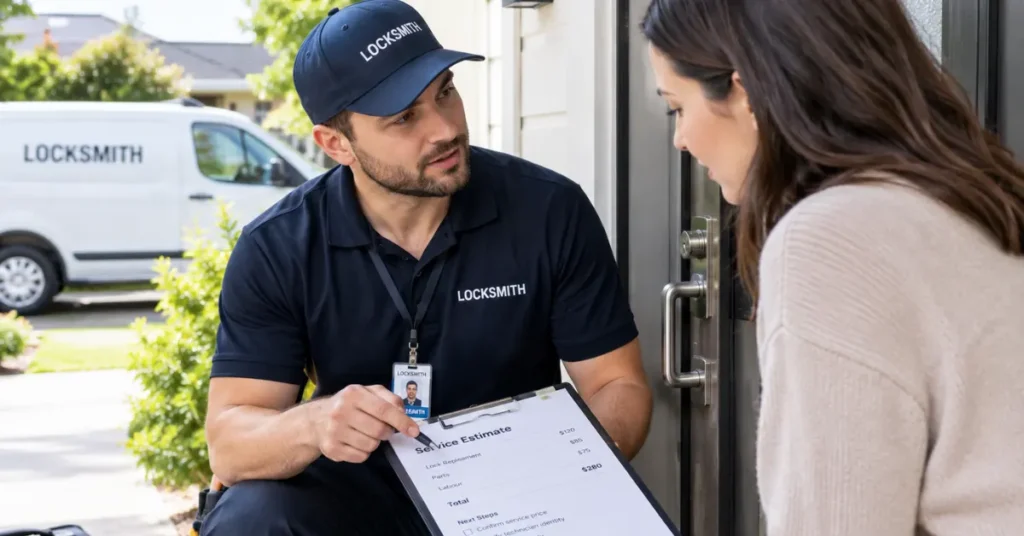
When you call an emergency locksmith, asking direct questions over the phone establishes clear expectations. Genuine companies answer transparently, while predatory operators often evade direct inquiries.
First, ask for the registered business name and New Zealand Business Number. A legitimate trading entity will provide this information without hesitation.
Second, confirm the exact call-out fee and ask what services that charge covers. Third, clarify whether an after-hours emergency surcharge applies to your specific location and timing.
Fourth, request a full estimated total for the complete job before agreeing to dispatch. Fifth, ask where the technician is travelling from and establish an expected arrival window.
Finally, confirm that the technician will provide a written quote before starting any work on your door. If the dispatcher refuses to give clear estimates, hang up the phone and contact an alternative provider.
Auckland Locksmith Costs and Charges to Confirm
Checking local rates before you make an emergency call stops rogue operators from taking advantage of you. Standard residential rates in Auckland reflect skilled trade labour, travel costs, and hardware expenses.
Fair pricing for residential locksmith services in Auckland generally ranges between $100 and $400 plus GST. Standard daytime lockout services typically cost between $100 and $150. This fee should cover travel within urban zones and the labour required to open a standard latch.
For a local option, check LostKey and confirm the total cost before booking.
After-hours emergency call-outs usually range from $150 to $500 depending on the hour, location, and required replacement parts. Replacing a complex euro cylinder or repairing an antique mortice lock requires higher hardware expenditure. Reputable technicians discuss these potential part costs openly before beginning the work.
What to Check Before a Locksmith Starts Work
When the mobile technician reaches your property, take a few minutes to confirm critical details before handing over your keys. Maintaining control of the process prevents misunderstandings and property damage.
- Ask for identification and confirm the technician represents the business you booked.
- Check relevant qualifications and any licence or certificate applicable to the work.
- Confirm the estimated total, GST, parts, and additional charges before work begins.
- Ask whether non-destructive entry is suitable.
- Request an explanation and approve costs before drilling.
- Confirm payment options and request an itemised invoice.
Uniforms, vehicle branding, and EFTPOS availability are not proof of legitimacy. Rogue operators can easily purchase magnetic door signs, work shirts, and mobile payment card readers. Focus on trade credentials, clear explanations, and written price confirmations instead of superficial appearances.
How to Handle Lock Drilling and Hardware Replacement
Unskilled operators frequently turn to power tools because they lack the technical ability to pick locks cleanly. Drilling out a lock cylinder destroys the mechanism permanently and forces you to buy replacement parts on the spot.
A qualified locksmith prioritises non-destructive entry methods whenever possible. They use specialised lock picks, bypass tools, and decoding instruments to open doors without damaging the surrounding frame.
However, severe internal lock failures or high-security deadbolts can sometimes make non-destructive bypass impractical. If drilling is proposed, ask why it is appropriate and confirm replacement costs before approving it. They should also show you the replacement cylinder, clearly state the cost, and secure your consent before drilling begins.
What to Do About Suspected Locksmith Overcharging
If you suspect unfair overcharging, keep all paperwork and take photos of the lock immediately. Do not allow an aggressive operator to intimidate you into paying unquoted sums.
Ask for a detailed tax invoice that separates labour, call-out travel, and hardware expenses. If the technician becomes hostile or refuses to leave your property, step inside safely and contact the police.
You can report misleading commercial conduct to the Commerce Commission under the Fair Trading Act. File reports with Netsafe regarding deceptive online advertisements, and register complaints with local police on 105. Additionally, arrange for a verified Master Locksmith to inspect your doors to assess whether unnecessary damage occurred during the job.
Finding a trustworthy emergency locksmith in Auckland comes down to verifying trade credentials, insisting on transparent price estimates, and rejecting unquoted surcharges. Keeping calm during a stressful lockout allows you to protect your home and avoid costly rogue operators.