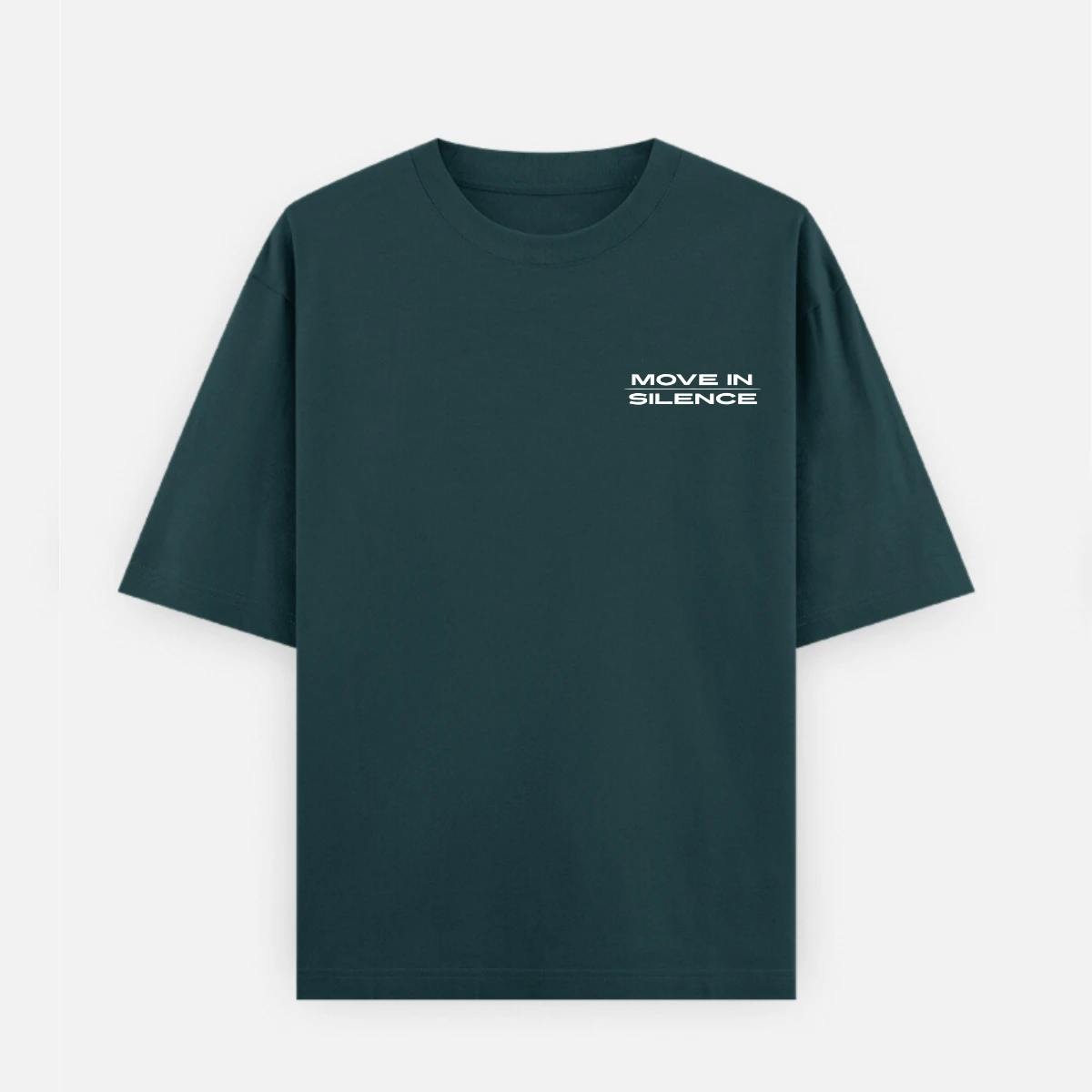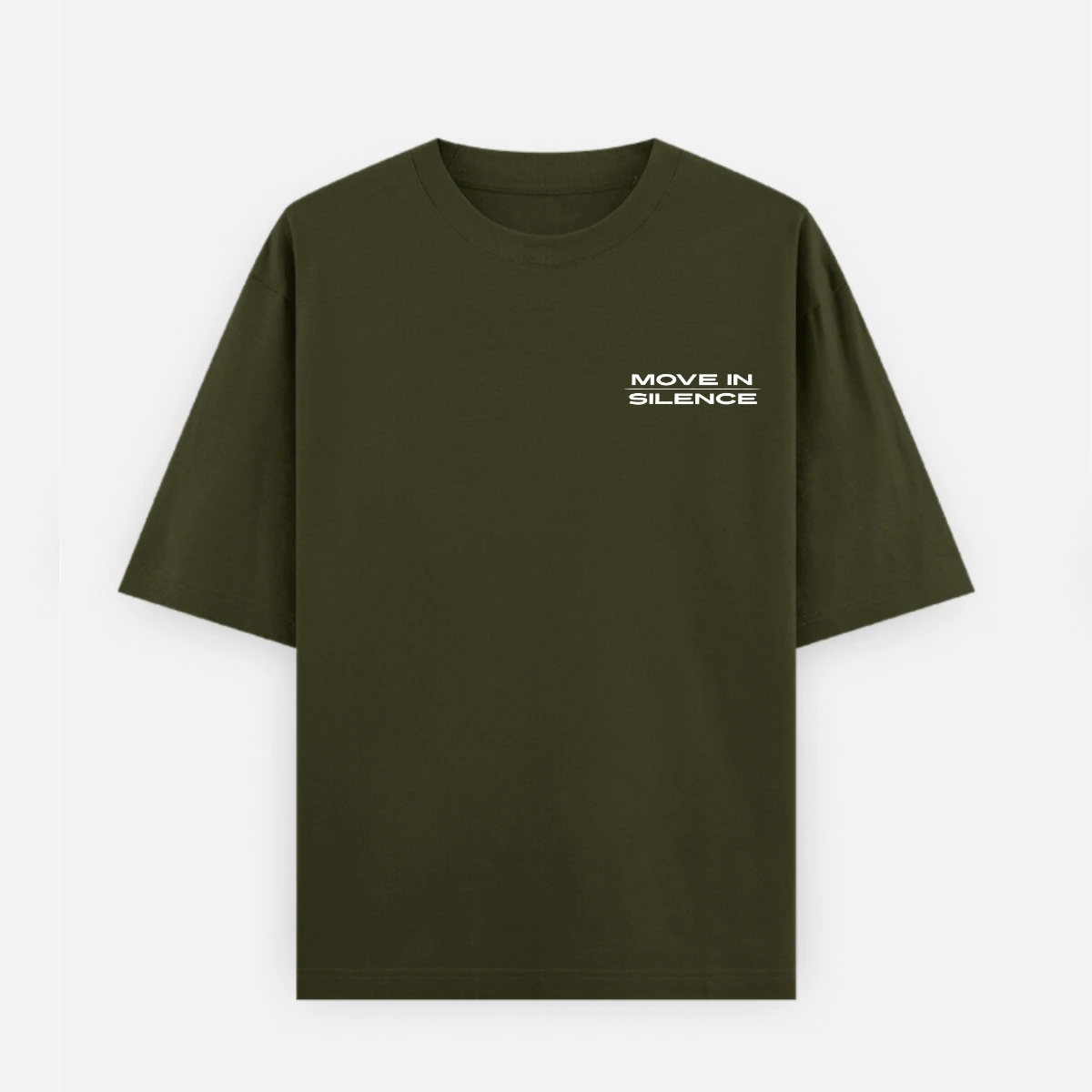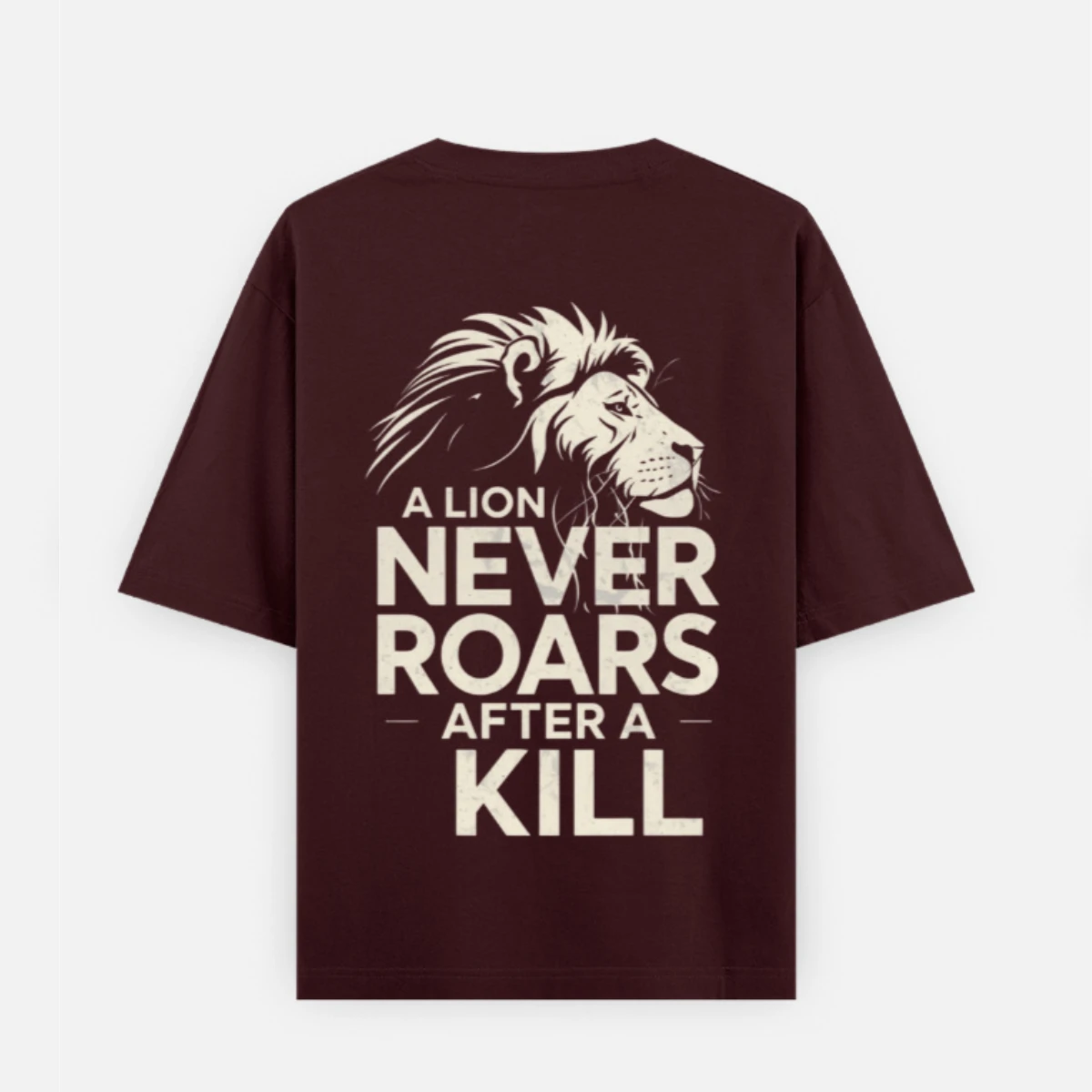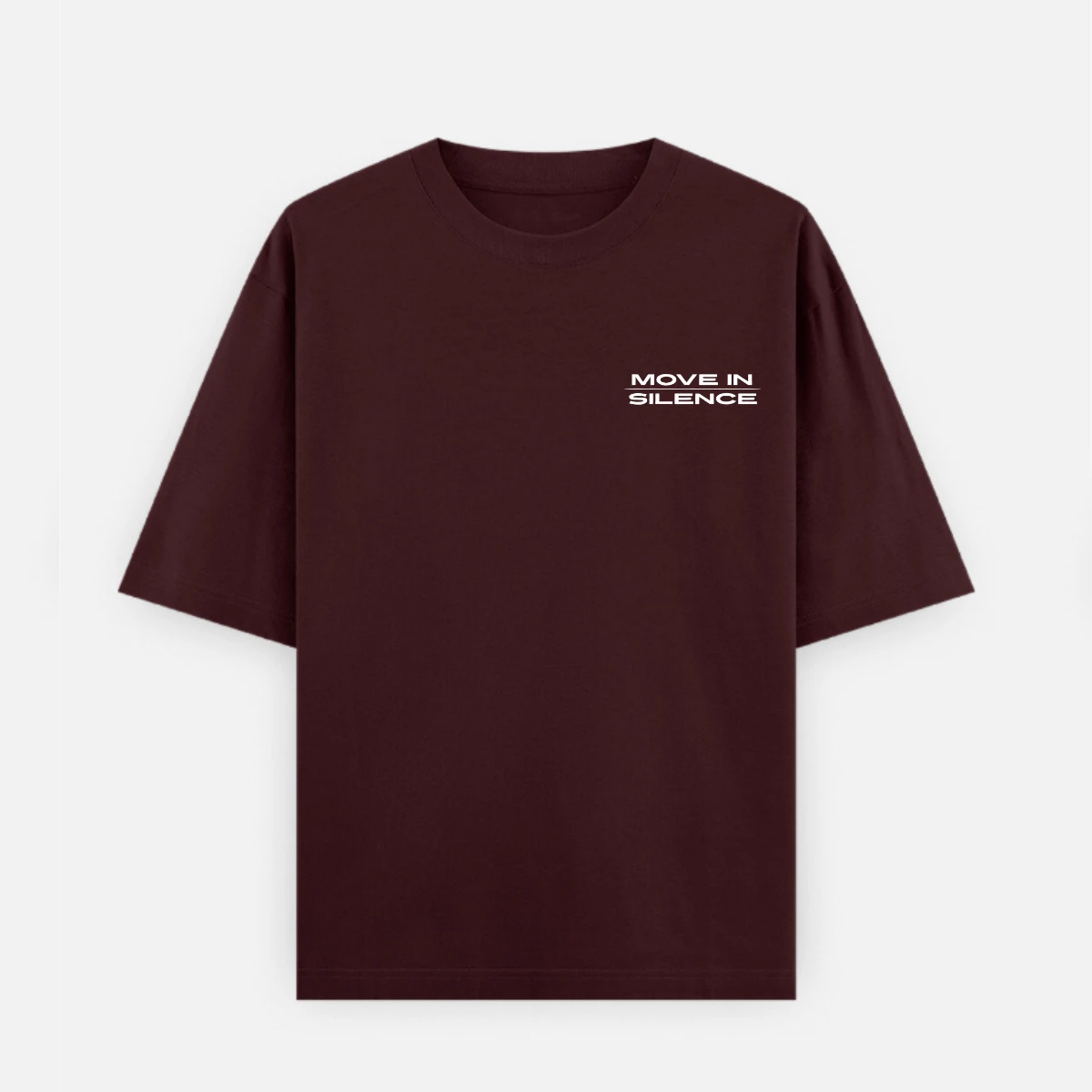


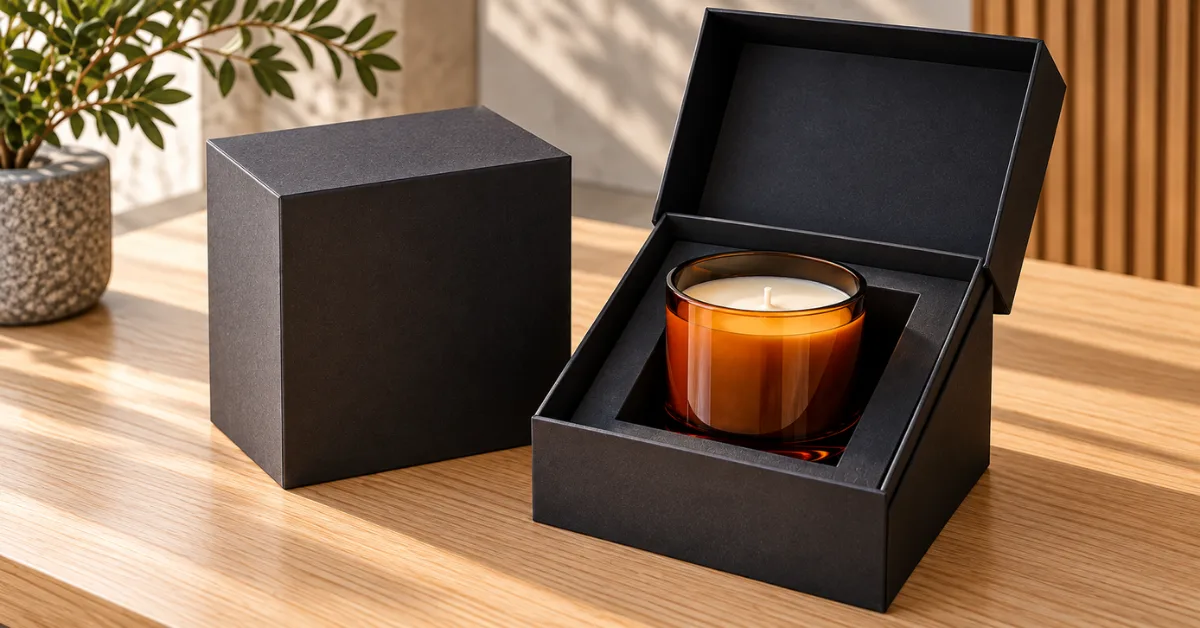
Designing custom candle packaging boxes requires balancing structural engineering with luxury shelf presence. Poured wax vessels combine heavy solid glass, delicate molten surfaces, and fragile wicks that fail quickly inside generic supplier cartons. Procuring custom candle boxes wholesale gives manufacturers control over board calibers, crash-lock bases, and protective inserts that survive national transit networks while projecting premium brand authority.
Commercial candle brands routinely suffer high transit return rates when prioritizing exterior aesthetics over physical shock absorption. A scuffed closure lid or shattered container destroys brand credibility faster than plain packaging ever could. Integrating precision die-cut tolerances and certified paperboard substrates ensures every product reaches retail shelves and customer homes intact.
Why Glass Candle Vessels Break Inside Weak Custom Candle Packaging Boxes
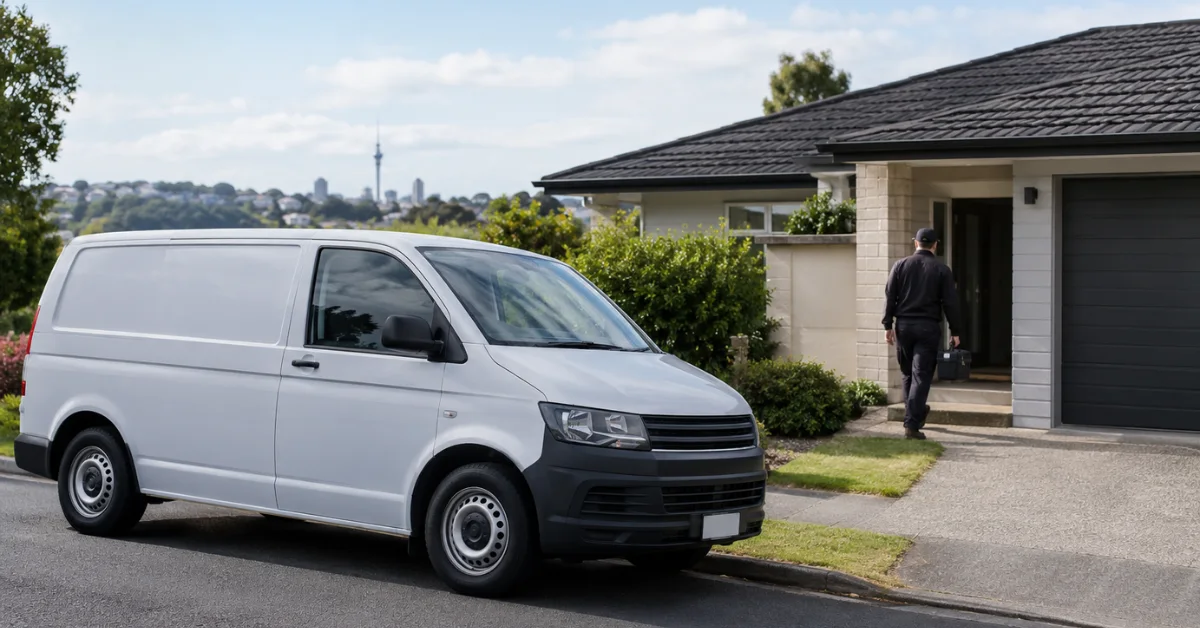
Transporting finished candles creates unique physical hazards unlike flat apparel or durable goods. Heavy glass jars generate high kinetic energy during transit impacts, while temperature shifts cause paraffin and soy waxes to contract or expand against container walls. Packaging that looks appealing in a design studio often collapses once stacked three layers deep inside delivery vans.
When sourcing custom candle packaging boxes, packaging engineers must account for the natural softening points of organic waxes. Enclosed courier containers often experience temperature spikes that soften wax tops. If the container lid flexes downward under vertical pallet weight, the packaging surface abrades the candle rim.
Selecting soft-touch laminations, metallic foil stamping, or display windows without structural load testing causes catastrophic failures. Container breakage not only ruins the individual product but also leaks fragrance oils across secondary cartons. Testing compression limits and impact absorption early in the prototyping phase prevents expensive customer refunds and retailer penalties.
Choosing Between Custom Rigid Candle Boxes and Folding Cartons for Fragile Jars
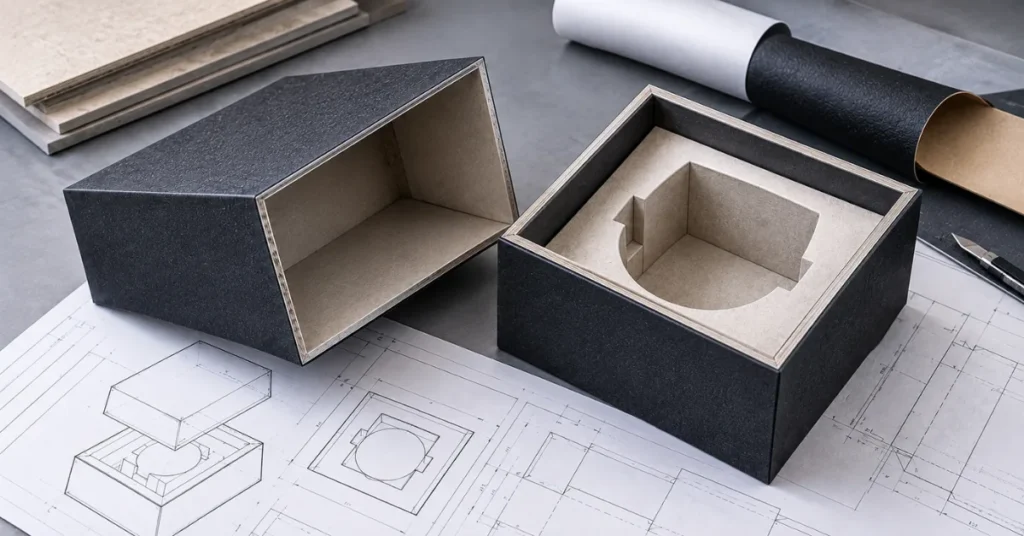
Selecting the right box structure depends on retail positioning, shipping methods, and candle vessel gross weight. Understanding paperboard calipers helps brand directors make sound procurement decisions that balance unit costs against transit survival.
Folding cartons made from three hundred to four hundred GSM coated kraft back or folding boxboard serve lightweight votives and small jars. These cartons ship flat to maximize warehouse storage space and assemble quickly along automated packing lines. While economical, standard folding cartons lack the vertical crush resistance required for heavy eight-ounce and twelve-ounce tumblers.
For high-end retail lines, custom luxury candle boxes utilize twelve hundred to eighteen hundred GSM greyboard wrapped in art paper. These custom rigid candle boxes provide unyielding wall strength, preventing container crushing under vertical warehouse stacking. Rigid two-piece shoulder boxes and magnetic closure setups protect heavy glass while delivering a smooth, high-end unboxing presentation.
Paperboard Materials That Protect Heavy Vessels in Custom Candle Boxes Wholesale
Substrate selection determines print clarity, box rigidity, and environmental compliance across retail channels. Matching the exact paperboard grade to your candle dimensions ensures the carton remains rigid throughout global logistics chains.
Solid bleached sulphate delivers a bright white surface that renders high-definition print graphics and vibrant brand colors with exceptional accuracy. Kraft paperboard provides natural, unbleached wood fibers that communicate organic craftsmanship while offering high tear resistance. Coated unbleached kraft board delivers maximum wet strength, making it ideal for products stored in variable warehouse humidity.
Corrugated fluted board remains the industry standard for direct-to-consumer shipping cartons. E-flute and B-flute corrugated board provide thirty-two Edge Crush Test ratings, absorbing rough parcel handling without transferring impact energy into the glass. Many brands place custom rigid candle boxes inside fitted corrugated mailers to create a dual-layer defense during postal delivery.
How to Source Protective Inserts for Custom Candle Packaging Boxes
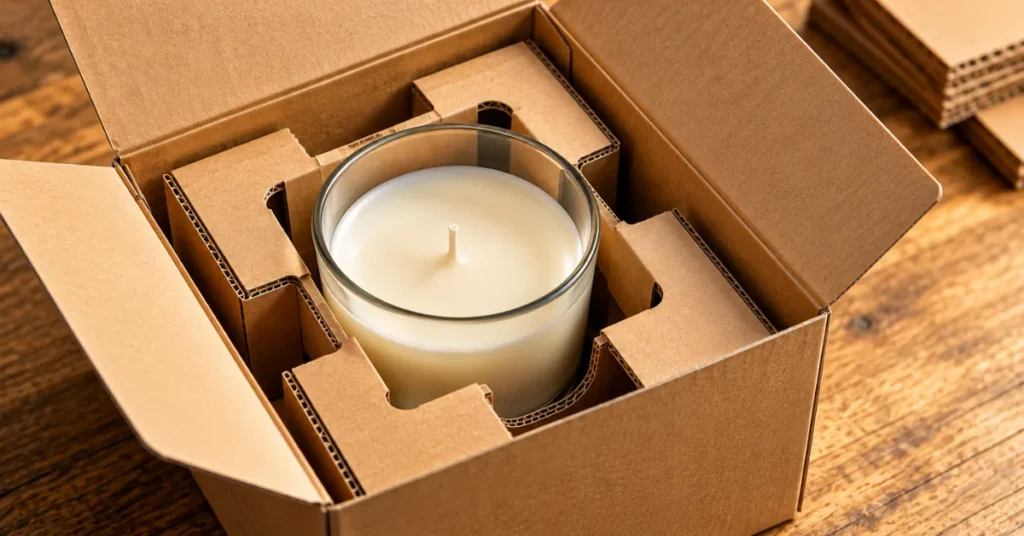
Partnering with accredited packaging converters allows brands to optimize production efficiency while complying with strict packaging waste regulations. Working with experienced suppliers guarantees board stocks and insert configurations meet domestic courier standards and trade packaging directives.
Packaging suppliers must engineer internal dimensions according to verified technical tolerances:
- Maintain internal clearances between two and three millimeters around the jar circumference to prevent abrasive friction during vehicle vibrations.
- Fabricate dense thermoformed or thirty-eight millimeter cross-linked polyethylene foam inserts to lock the vessel base firmly against lateral movement.
- Reinforce tuck-end closures with integrated crash-lock automatic bases to eliminate glue failure beneath heavy sixteen-ounce glass vessels.
- Select scuff-resistant matte thermal laminations to eliminate visible thumb marks, surface scratching, and friction rub during transit.
- Verify paperboard fiber sourcing meets FSC certification to satisfy commercial retail vendor environmental requirements.
Partnering with domestic converters also simplifies compliance with regional packaging waste regulations administered by trade authorities. Brands placing packaged goods on the market face modulated fees based on packaging recyclability and material separation. Sourcing mono-material paperboard cartons reduces regulatory compliance liabilities compared to multi-layer plastic packaging.
Finishing Options That Make Custom Luxury Candle Boxes Stand Out on Retail Shelves
Applying luxury decorative finishes requires careful technical calibration to avoid weakening the underlying carton structure. Heavy mechanical stamping can compromise fiber density if applied without correct counter-pressure dies.
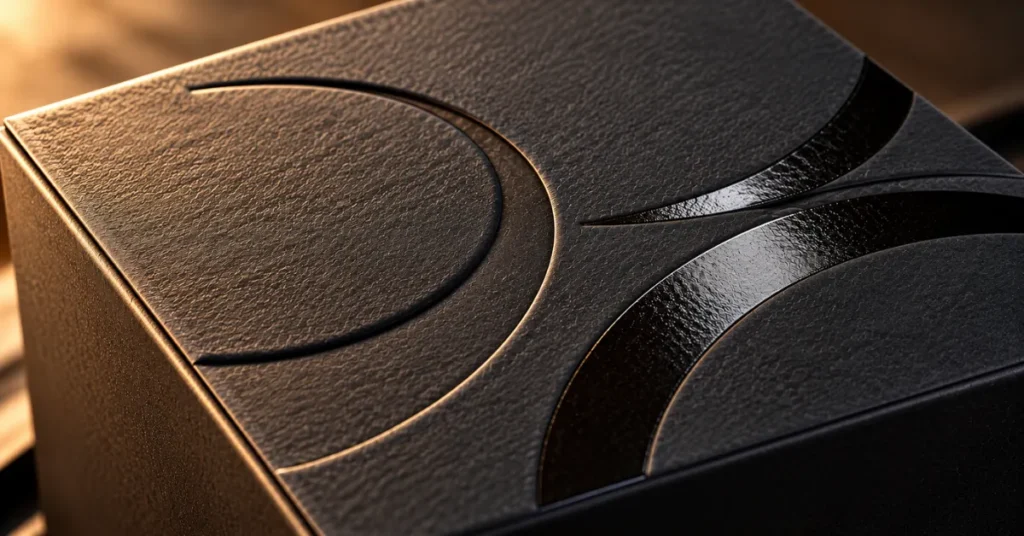
Blind debossing compresses paperboard fibers inward, creating elegant tactile logos without tearing surface liners. When implementing foil stamping across custom luxury candle boxes, press operators adjust die heat to ensure clean foil transfer without scorching base coatings. Spot ultraviolet varnishes deliver high-contrast gloss effects that highlight brand assets while adding a subtle moisture-resistant barrier.
Display windows require thoughtful die-line positioning to prevent carton collapse. Cutouts placed too close to vertical box edges degrade total Box Compression Test capacity by up to forty percent. Engineers keep display windows at least twenty millimeters away from structural score lines, patching the void with rigid PET plastic film to restore structural tension.
How to Test Prototypes Before Placing Custom Candle Boxes Wholesale Orders
Investing in custom candle boxes wholesale requires physical quality assurance before authorizing large print runs. Testing production samples under realistic distribution conditions identifies structural weaknesses before thousands of units are cut, glued, and palletized.
Prototypes must undergo ASTM drop testing using fully filled, wicked candle vessels rather than empty jars. Technicians drop sample cartons from heights of ninety centimeters across all six faces, edges, and corners. If the glass cracks or the internal insert shifts out of alignment, the die-line requires immediate mechanical adjustment.
Static compression testing evaluates how cartons perform inside bulk shipping master cartons. Stacking weighted sample boxes in environmental chambers tests whether humidity causes paperboard flutes to soften. Conducting these stress evaluations guarantees your finished packaging survives real distribution routes without unexpected container failures.