

A vehicle ignition repair or replacement in Auckland restores smooth key turning and reliable engine starting when your ignition barrel binds, spins loosely, or fails to send electrical power to the starter motor. Mobile automotive locksmiths diagnose mechanical wafer damage versus electrical switch failure directly at your vehicle, completing on-site repairs or factory replacements within one to two hours without towing.
What Are the Warning Signs of a Failing Ignition Barrel
A failing ignition barrel shows mechanical and electrical symptoms long before it locks up completely. Drivers usually notice that the key binds inside the keyway or requires persistent jiggling to turn past the accessory position. Ignoring these early warnings leaves you stranded on the roadside when the internal brass wafers finally collapse.
Watch for these four mechanical and electrical failure symptoms:
- Key Sticks or Resists Turning – The key binds against worn internal split-wafers, requiring heavy wiggling to reach the run position.
- Key Spins Loosely Without Resistance – The mechanical tailpiece or internal housing shaft shears off, leaving the barrel spinning freely without engaging the ignition switch.
- Intermittent Stalling and Dashboard Flickering – Worn electrical switch contacts lose connection over road bumps, cutting power to the ECU and causing sudden engine cutouts.
- Key Trapped Inside the Keyway – A deformed wafer drops behind a key cut, jamming the blade and preventing extraction in the park position.
Address these symptoms early to avoid an emergency mobile callout. Continued forcing of a sticking key shears the soft brass cuts, turning a straightforward barrel service into a combined extraction and lock overhaul.
Is Your Ignition Trouble Caused by the Lock or the Switch
Telling the difference between a mechanical cylinder failure and an electrical ignition switch failure determines whether you need a locksmith or an auto electrician. Mechanical lock barrels control physical key movement and steering column locks, while the electrical switch behind the cylinder directs battery voltage to the starter relay, fuel pump, and dashboard electronics.
If your key will not turn physically, or catches aggressively as you rotate the cylinder, the fault lies entirely inside the mechanical lock barrel. The brass wafers inside the cylinder wear down from years of friction, developing burrs that snag on the keyway housing.
If the key turns smoothly through all detents but the starter motor fails to crank, the electrical ignition switch behind the barrel is the primary suspect. Similarly, if your dashboard lights fail to illuminate in the ignition-on position, the internal copper contact plates inside the switch assembly have likely burned out or developed heavy carbon pitting.
Testing the steering wheel lock also provides valuable diagnostic information. If the steering wheel remains locked while the key refuses to turn, physical binding tension between the steering column lock pawl and the ignition housing is stopping the cylinder plug from rotating. Relieving this pressure by turning the steering wheel firmly away from the lock stop allows the key to turn freely.
Should You Choose Ignition Repair or Full Replacement
Deciding between ignition repair and total replacement depends on whether the damage is isolated to internal brass wafers or extends to the cast-metal ignition housing. An automotive locksmith can repair most sticking ignitions on site by rebuilding the internal cylinder with fresh wafers matched to your existing key profile.
Rebuilding the barrel is the most cost-effective solution for everyday wear. The locksmith removes the ignition housing, extracts the internal plug, discards the damaged brass wafers, and fits new hardened split-wafers. This repair retains your original mechanical key, so you do not need separate keys for your doors and ignition.
Total ignition replacement becomes mandatory when the outer die-cast housing cracks, the steering column lock mechanism shears, or an attempted vehicle theft ruins the barrel assembly. If an intruder jams a screwdriver into the lock, the forced rotation tears out the internal retaining ridges. In this situation, the technician must install a complete factory-replacement ignition assembly and cut new matching keys.
Who Should You Call for Ignition Trouble in Auckland
A dedicated mobile automotive locksmith is the most practical first call for any vehicle ignition failure in Auckland. While general mechanical workshops can replace parts, they usually require you to pay expensive towing fees to transport the immobilized car to their physical workshop.
Mechanical workshops also tend to order complete factory ignition assemblies directly from dealership networks. This practice leads to multi-week shipping delays and inflated parts pricing. Dealerships often install a new ignition with a different key bitting, leaving you with two separate keys for your car doors and ignition barrel.
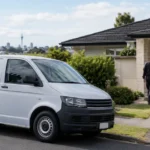
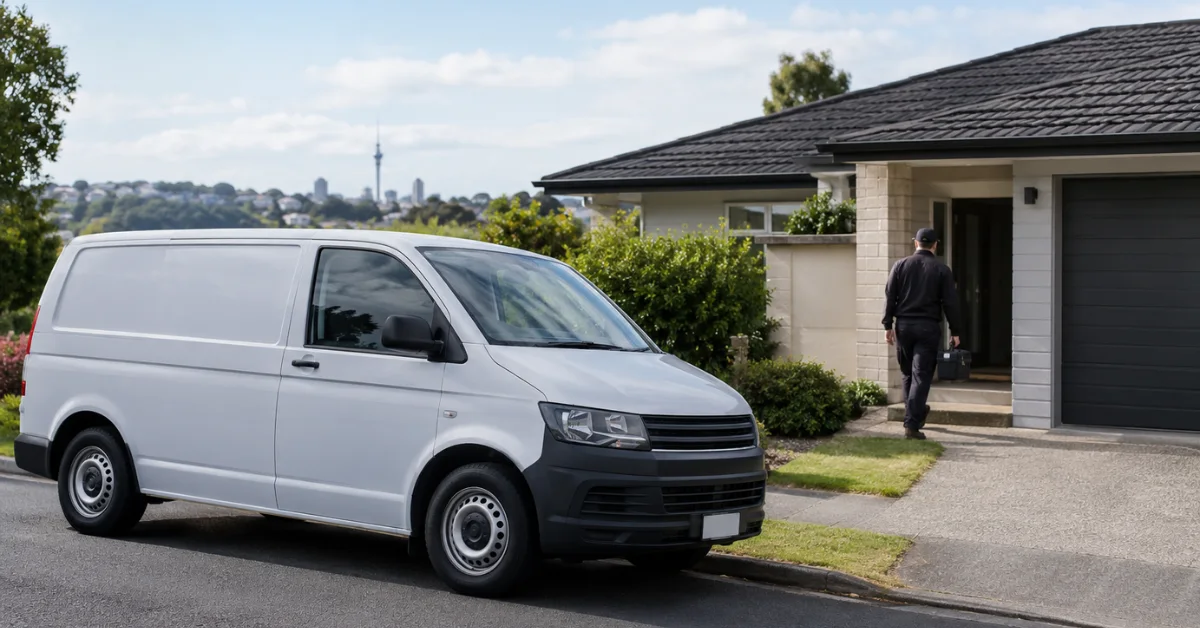
A mobile automotive locksmith travels directly to your roadside, workplace, or residential driveway in a fully equipped mobile service van. The technician tests the cylinder on site, rebuilds the internal mechanism, or installs a matching replacement barrel on the spot. Automotive locksmiths also carry computerized key-cutting equipment and diagnostic OBD2 programming tablets to ensure your vehicle immobilizer accepts the repair immediately.
What Does Vehicle Ignition Repair or Replacement Cost in Auckland
A standard ignition repair or replacement in Auckland generally costs between $180 and $380 NZD for mechanical wafer rebuilds and cylinder servicing. A complete ignition barrel and switch replacement on modern Japanese and European vehicles typically ranges from $350 to $650+ NZD depending on parts availability, transponder security generation, and mobile travel distances across Auckland suburbs.
Your final invoice depends on four practical operational factors:
- Internal Damage Severity
A basic cylinder rebuild using fresh brass wafers costs significantly less than sourcing and installing a brand-new die-cast ignition housing. - Vehicle Make, Model, and Year
Common Japanese imports like Toyota, Nissan, and Mazda feature widely available aftermarket barrels, whereas late-model European vehicles like Volkswagen, BMW, or Audi require specialized security housings and extended diagnostic coding. - Transponder Key and Immobilizer Programming
If a full replacement requires new physical keys, the locksmith must program the integrated RFID transponder chips into the vehicle immobilizer unit using dedicated diagnostic tools. - Callout Location and Emergency Timing
Standard weekday callouts across central Auckland suburbs sit at base rates, while after-hours callouts, weekend emergencies, and statutory holidays incur dedicated mobile dispatch surcharges.
Before agreeing to any roadside work, ask the technician whether their verbal quote includes the mandatory 15% New Zealand Goods and Services Tax (GST). Verifying that your technician operates under a valid Ministry of Justice Private Security Personnel Licensing Authority (PSPLA) license ensures your car is serviced by a vetted, insured security professional.
What Happens During a Mobile Locksmith Ignition Service Call
When a mobile technician arrives at your vehicle, they run a complete functional check on both the cylinder and electrical switch. The locksmith tests key rotation, checks battery voltage across the ignition harness, and scans the vehicle OBD2 port for active immobilizer or starter relay fault codes.
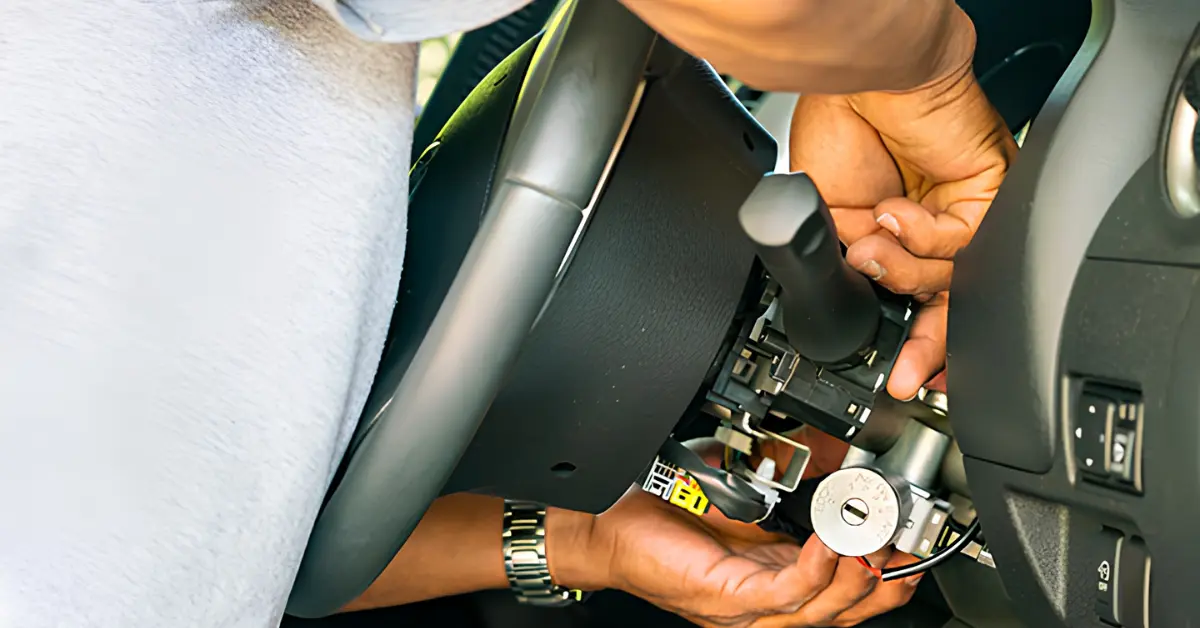
If the internal wafers are collapsed, the technician removes the steering column trim covers using specialized non-marring pry tools to protect your interior plastics. They release the cylinder retaining pin, slide the lock barrel out of the housing, and inspect the internal chambers under high-intensity lighting.
The technician removes the old brass wafers, cleans out hardened grease and metallic debris with electrical solvent, and rebuilds the plug with new, precision-calibrated wafers matching your original key.
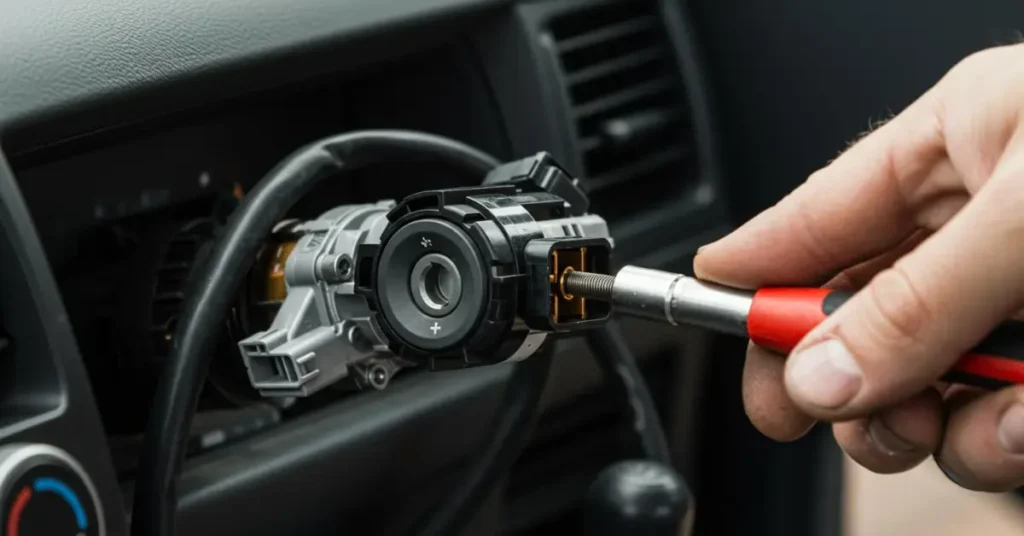
If your vehicle requires a complete replacement assembly, the locksmith bolts the new cast housing onto the steering column using factory-spec shear bolts. They transfer your original transponder antenna ring onto the new cylinder, cut matching key blades using a computerized mobile mill, and program the transponder chips into your vehicle engine control unit. The service concludes with a complete engine start test and steering lock verification.
Costly Mistakes to Avoid When Your Ignition Sticks
Spraying greasy aerosol lubricants like WD-40 or engine oil into a sticking ignition barrel is the most common mistake vehicle owners make. These oily sprays mix with road dust, metal shavings, and pocket lint, creating an abrasive sludge that gums up the delicate wafer springs and accelerates internal wear. Locksmiths use specialized, non-conductive dry graphite powder or dedicated PTFE spray lubricants that dry completely without attracting dirt.
Forcing a stiff key with pliers or excessive manual leverage is another mistake that leads to costly repairs. Excessive rotational force shears the key blade right at the shoulder, leaving the broken metal shaft jammed deep inside the cylinder. This turns a straightforward barrel service into a time-consuming extraction job.
Ignoring early warning signs hoping they resolve on their own inevitably leaves you stranded in traffic or an isolated car park. Calling a mobile technician while the key still turns allows the locksmith to remove the cylinder plug cleanly in minutes without drilling, saving substantial labor costs.