

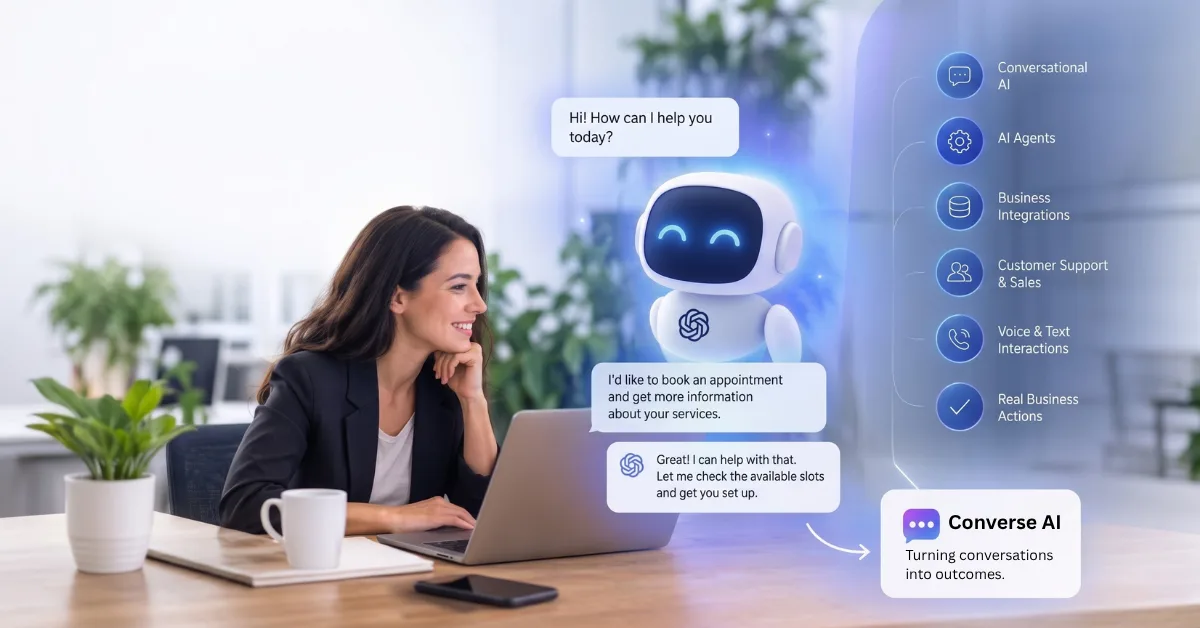
GPT 6 Astra by OpenAI represents the company’s frontier intelligence architecture engineered for complex reasoning, autonomous computer use, and multi-step professional execution. Operating with a 1.05-million-token context window, it runs software engineering, executes desktop tasks, and connects directly to enterprise databases to complete commercial work without human micromanagement.
The era of basic conversational chatbots that could only spit out preset text responses has ended. Modern businesses demand digital workers that understand operational context, manipulate web software, process business records, and resolve customer demands across phone lines and text channels.
Consequently, the arrival of GPT-6 Astra alters how leadership approaches operational automation. The strategic question is no longer whether an algorithm can answer a simple client inquiry. Instead, the focus has shifted to whether an autonomous system can execute end-to-end tasks across billing portals, enterprise resource planning databases, and scheduling software.
How GPT 6 Astra by OpenAI Powers Autonomous Computer Use
GPT 6 Astra by OpenAI establishes a breakthrough standard in computer operation by directly navigating graphical interfaces, controlling web browsers, clicking buttons, and completing multi-step digital workflows. Unlike older models limited to producing text strings, this architecture reads desktop screens and takes direct administrative actions across live commercial software platforms.
Routine corporate operations burn thousands of labor hours on low-yield data entry and administrative synchronization. Staff spend entire afternoons transferring customer records from lead capture forms into client relationship platforms, organizing calendar events, or filing corporate expense accounts.
Autonomous computer execution eliminates this operational drag through verifiable capabilities:
- Autonomous desktop navigation allows the model to interact directly with web browsers, operating systems, and commercial software interfaces just like a human worker.
- Direct CRM synchronization updates sales pipeline records, notes call outcomes, and logs deals across platforms like Salesforce and HubSpot without manual input.
- End-to-end form completion handles complex corporate expense reports, tax documentation, and procurement orders across internal enterprise tools.
- Automated software verification executes front-end website checks, inspects visual layout elements, and troubleshoots operational software errors in real time.
Benchmark testing confirms this leap in operational efficiency. On OSWorld 2.0, which scores autonomous computer use on real-world desktop tasks, GPT-6 Astra scored 72.6% while cutting task completion time by roughly 47% compared to earlier iterations. Because running agent systems scales directly with processing duration, cutting completion times nearly in half reduces operational API expenses while accelerating company output.
The Strategic Shift from Chatbots to GPT 6 Astra Agent Workflows
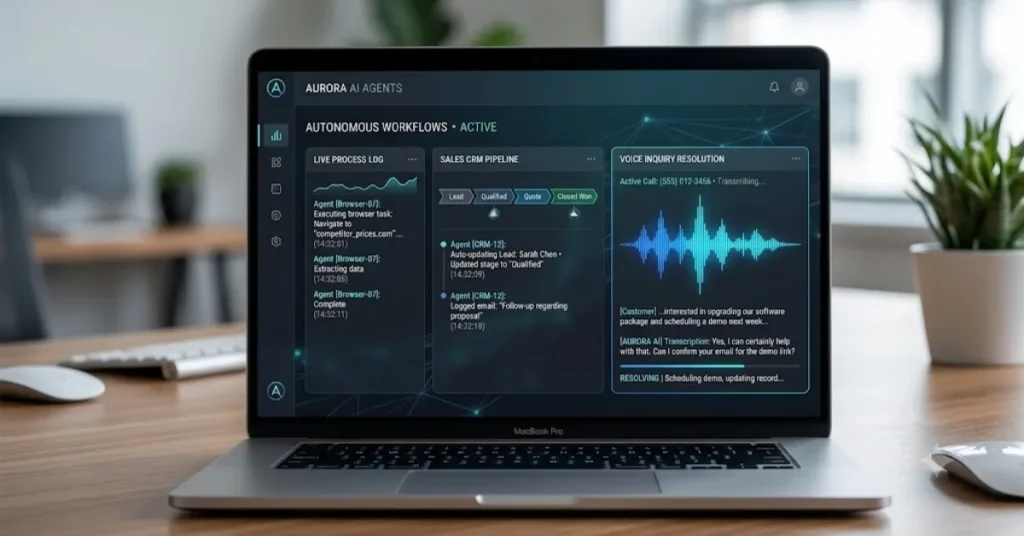
GPT 6 Astra agent workflows eliminate the structural weaknesses of legacy rule-based chatbots by maintaining deep contextual awareness across multi-turn customer engagements. While older chatbots failed whenever a consumer asked questions outside rigid conversational branches, modern agents decipher buyer intent and coordinate the exact backend actions required next.
Consider a standard inbound inquiry at an independent home services agency or medical clinic. A prospective client rarely asks a single isolated question. Instead, they ask about service rates, explain their personal requirements, request custom quotes, and finalize appointment times.
Legacy chat scripts treat each message as an isolated string, frequently dropping context or forcing the prospect into frustrating infinite loops. Advanced multimodal AI agents for business powered by GPT-6 Astra maintain full conversational context across the entire interaction. The model identifies when a prospect asks about service costs but actually seeks a consultation with senior management, dynamically collecting contact details and booking an appointment on internal calendars.
Connecting frontier models with commercial platforms like Converse AI bridges raw algorithmic intelligence with front-office business processes. Rather than leaving an algorithm isolated inside a website text bubble, businesses deploy agents that advance real deals through the sales pipeline.
Why GPT 6 Astra Voice Assistants Modernize Inbound Customer Support
Deploying a GPT 6 Astra voice assistant powered by low-latency reasoning models modernizes inbound phone operations, eliminates customer hold queues, and automates appointment bookings. Because consumers frequently prefer phone calls for urgent service inquiries, replacing rigid interactive voice response phone trees with natural conversational voice agents protects inbound revenue.
Traditional corporate phone systems frustrate callers with confusing keypad menus and mechanical audio recordings. In contrast, modern conversational voice agents process spoken words, emotional tone, and commercial intent in real time, speaking back with immediate human cadence.
Commercial voice agents streamline communication through specific operational workflows:
- Inbound call qualification screens prospective customers, answers service questions, and verifies project budgets before escalating conversations to senior staff.
- Autonomous schedule coordination links directly with company calendars to book, reschedule, or cancel client appointments over the telephone.
- Routine customer support handles order tracking updates, basic troubleshooting issues, and billing confirmations during evenings and weekends.
- Warm human transfers hand off high-stakes negotiations or upset callers to appropriate team members alongside a concise transcript of the interaction.
Integrating conversational voice through platforms like Converse AI allows service companies to capture inbound leads around the clock. Callers receive prompt assistance, appointment slots fill automatically, and front-desk staff focus entirely on high-value operational duties rather than repetitive phone inquiries.
Integrating the GPT 6 Astra Intelligence Layer into Business Systems
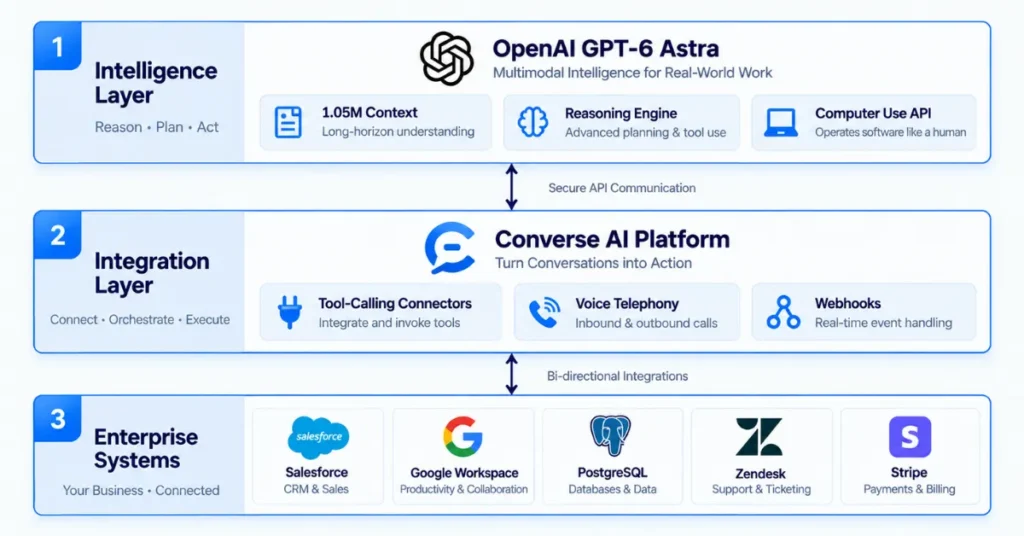
Connecting the GPT 6 Astra intelligence layer directly into core software systems transforms an AI tool from an interesting novelty into a productive corporate asset. A standalone model that merely answers questions provides limited commercial value, whereas an agent tied into operational enterprise databases executes meaningful organizational work.
Connecting intelligence models to existing enterprise software requires three essential integration tiers:
- The Intelligence Layer uses models like GPT-6 Astra to interpret complex unstructured instructions, make decisions, and construct action plans.
- The Integration Layer uses specialized agent platforms like Converse AI to bridge communications between the core intelligence model and external business tools.
- The System Layer contains proprietary company tools including customer relationship managers, calendar systems, billing software, and operational databases.
Operating with integrated architecture allows an agent to complete cross-functional projects independently. When an enterprise client requests a customized service contract, the agent pulls client history from Salesforce, pulls pricing tiers from an internal SQL database, and builds a contract following company guidelines.
Furthermore, the model creates completed corporate presentations, structured financial spreadsheets, and formal reports using existing company slide templates. It eliminates hours spent manually reformatting generic drafts by pulling relevant data directly into corporate layouts.
Human Governance and Risk Controls for GPT 6 Astra Business Deployment
Human governance and risk controls for GPT 6 Astra business deployment shield organizations from unauthorized model actions, data privacy breaches, and unverified algorithmic claims. As autonomous systems gain access to corporate networks and payment gateways, management must enforce precise boundary guardrails that dictate when an agent can act independently.
OpenAI classifies this architecture at a Critical capability threshold for cybersecurity risks because advanced reasoning models can discover digital vulnerabilities and execute sophisticated computer interactions without constant human guidance. Consequently, leaving autonomous agents without administrative constraints creates severe technical and financial exposure.
Mitigating operational risk requires setting definitive governance rules across all digital workflows:
- Restrict write permissions across critical databases, ensuring models read account information but require human manager sign-off before executing financial refunds or data deletions.
- Establish automated refusal triggers that block agents from handling high-risk legal agreements or sensitive medical inquiries without administrative escalation.
- Maintain complete trajectory logging across all agent computer sessions to track mouse movements, keystrokes, and tool calls for compliance auditing.
- Train autonomous agents to acknowledge capability boundaries, prompting the system to request team input instead of fabricating unverified answers when data is missing.
Autonomous models must operate as capable digital team members that assist human workers rather than unchecked decision-makers. Maintaining transparent operational boundaries ensures companies capture immense efficiency benefits while completely protecting internal security and client trust.